

Look, I'm going to be straight with you. After years in the specialty coffee industry, I've noticed there are some fundamental truths about brewing great coffee at home that don't always make it into the marketing materials. Why? Because these insights shift the focus from buying more coffee to brewing smarter with what you have.
These aren't trade secrets locked away in some vault: they're practical realities that can transform your daily cup from mediocre to exceptional. Let's dive into what really makes the difference.
The Freshness Reality Nobody Talks About
Here's the big one: that "best by" date on your coffee bag? It's practically meaningless for quality. What you should be hunting for is a roast-on date, and many roasters would prefer you didn't pay attention to this detail.
Coffee is at its absolute peak flavor within 2-14 days after roasting. After that, you're drinking a shadow of what it could be. The organic compounds and oils that create those complex flavors you're chasing start breaking down the moment they're exposed to air, light, and time.
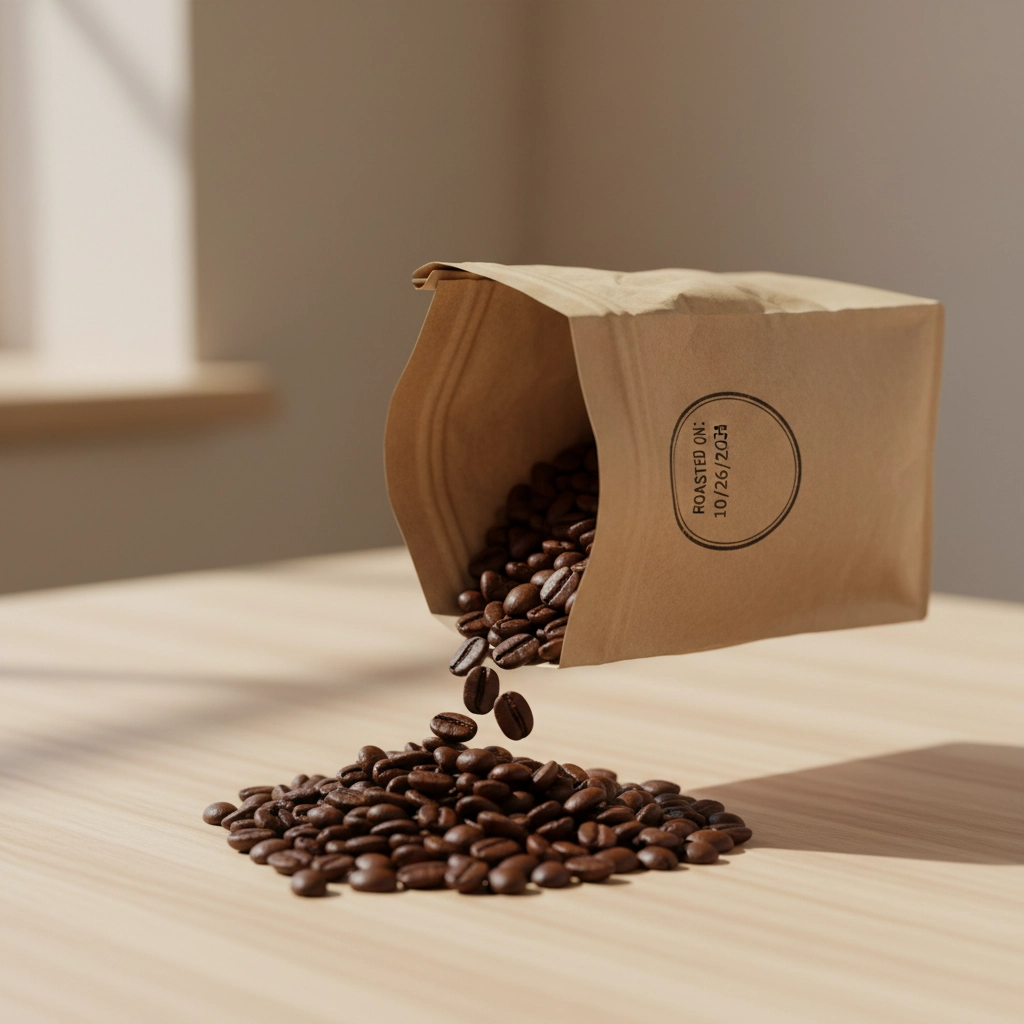
Once you open your coffee and break that vacuum seal, you've got about a week to consume it at peak quality. I know that sounds harsh, but the flavor degradation is real and dramatic. Those subtle notes you paid extra for? They're disappearing faster than you think.
The Pre-Ground Coffee Trap
If there's one change that'll revolutionize your morning routine, it's grinding your beans immediately before brewing. Pre-ground coffee loses flavor exponentially faster than whole beans: we're talking hours, not days.
The coffee industry loves selling pre-ground coffee because it's convenient for you and profitable for them. But here's what happens: the moment coffee is ground, its surface area increases dramatically, accelerating oxidation and flavor loss. What takes weeks to degrade in whole bean form happens in hours with ground coffee.
Invest in a decent burr grinder, and grind only what you need for each brew. The difference will shock you.
The Water Factor Everyone Ignores
You filter your drinking water, right? So why wouldn't you filter your brewing water? This is where most home brewers unknowingly sabotage their coffee.
Tap water contains chlorine, fluoride, and various minerals that don't just affect taste: they actively alter your coffee's flavor profile. Those bright, fruity notes in your single-origin Ethiopian? They're being masked or completely changed by your water chemistry.
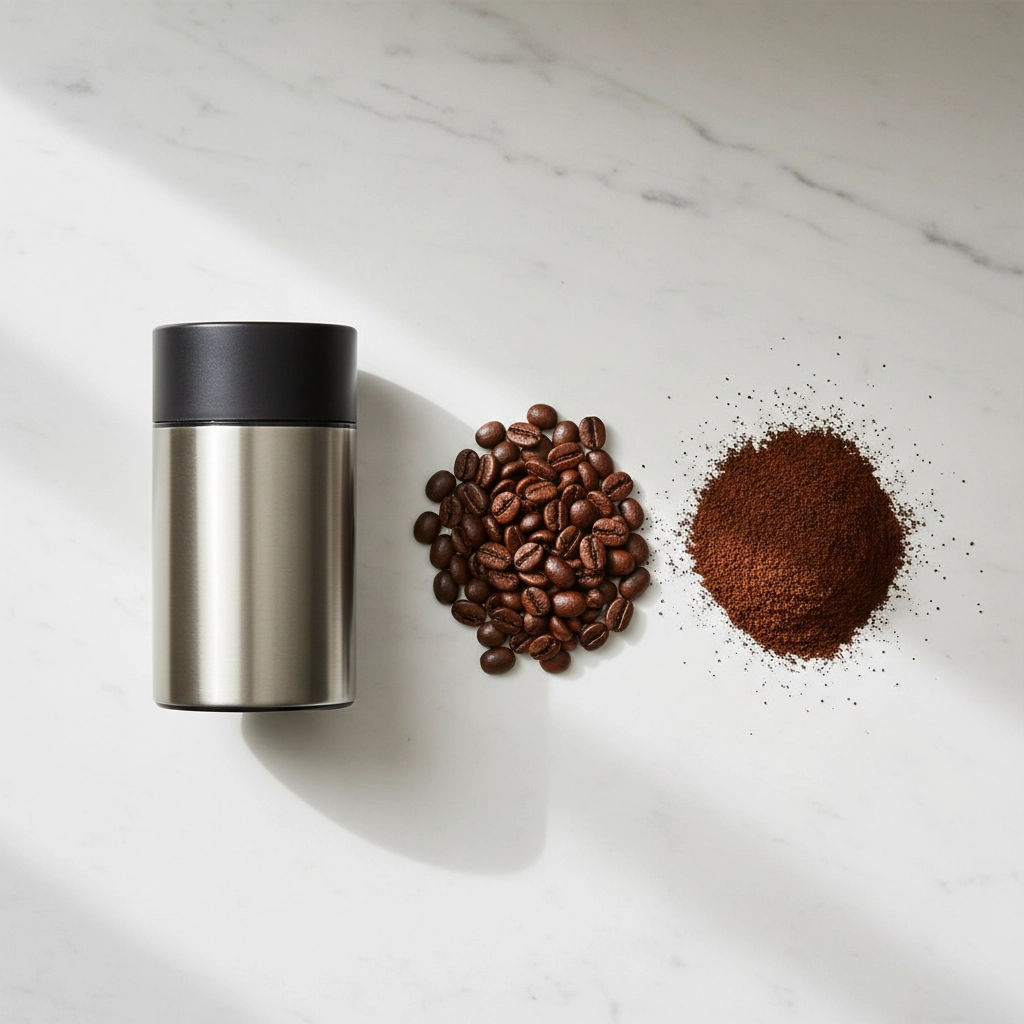
Use filtered water for brewing. It's that simple. You'll taste flavors in your coffee you never knew were there. This isn't about being precious: it's about removing barriers between you and what you actually paid for.
The Ratio Game-Changer
Most coffee advice tells you to "use two tablespoons per cup" or some equally vague measurement. That's like saying "add some salt" in a recipe: it's useless for achieving consistency.
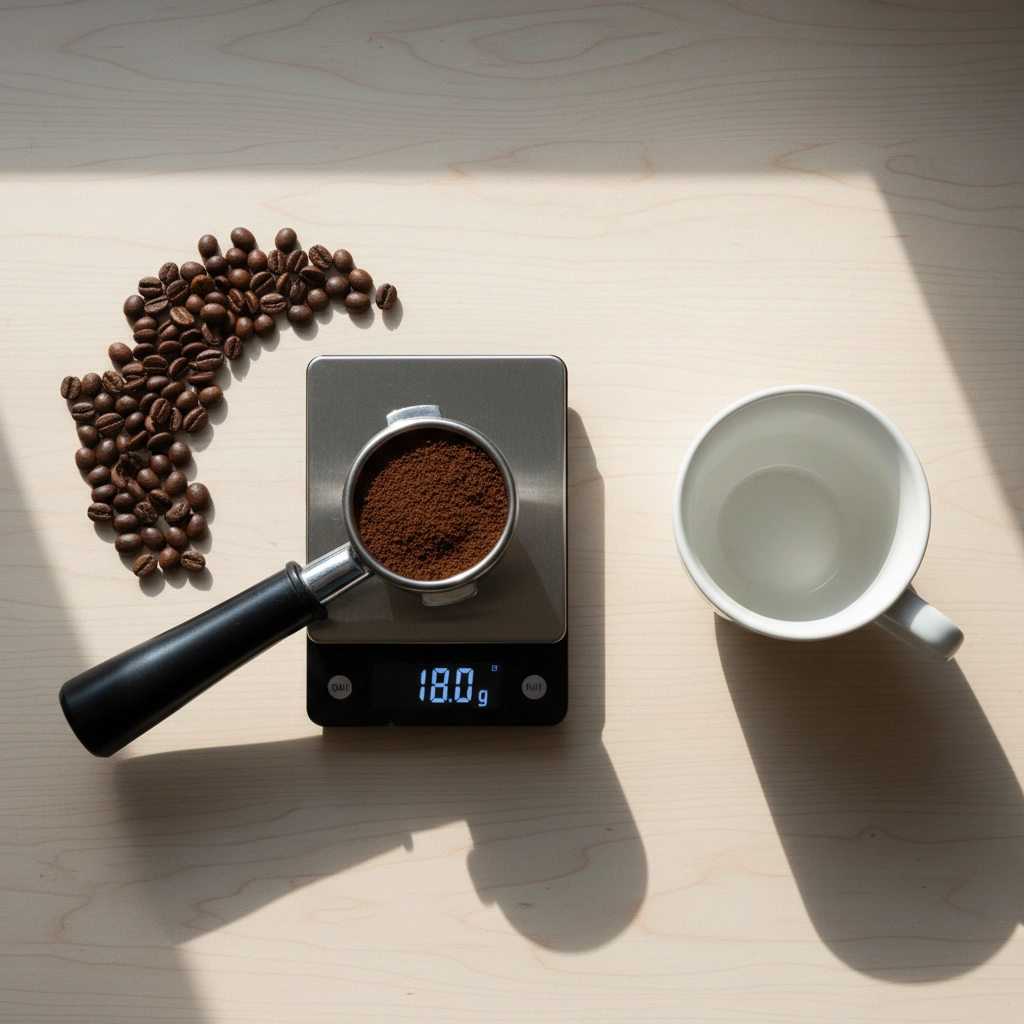
The magic happens when you start using a scale and working with ratios. A good starting point is 1:15 to 1:18 (coffee to water). That means 1 gram of coffee for every 15-18 grams of water.
For a standard 12-cup coffee maker, you're looking at about 60-70 grams of coffee to 1,000 grams (1 liter) of water. Too weak? Adjust the ratio stronger. Too strong? Go lighter. But now you have a baseline that's repeatable.
Grind Size: The Technical Detail That Changes Everything
Here's where the science gets interesting. Your grind size must match your brewing method for optimal extraction, and getting this wrong leads to coffee that's either bitter (over-extracted) or sour and weak (under-extracted).
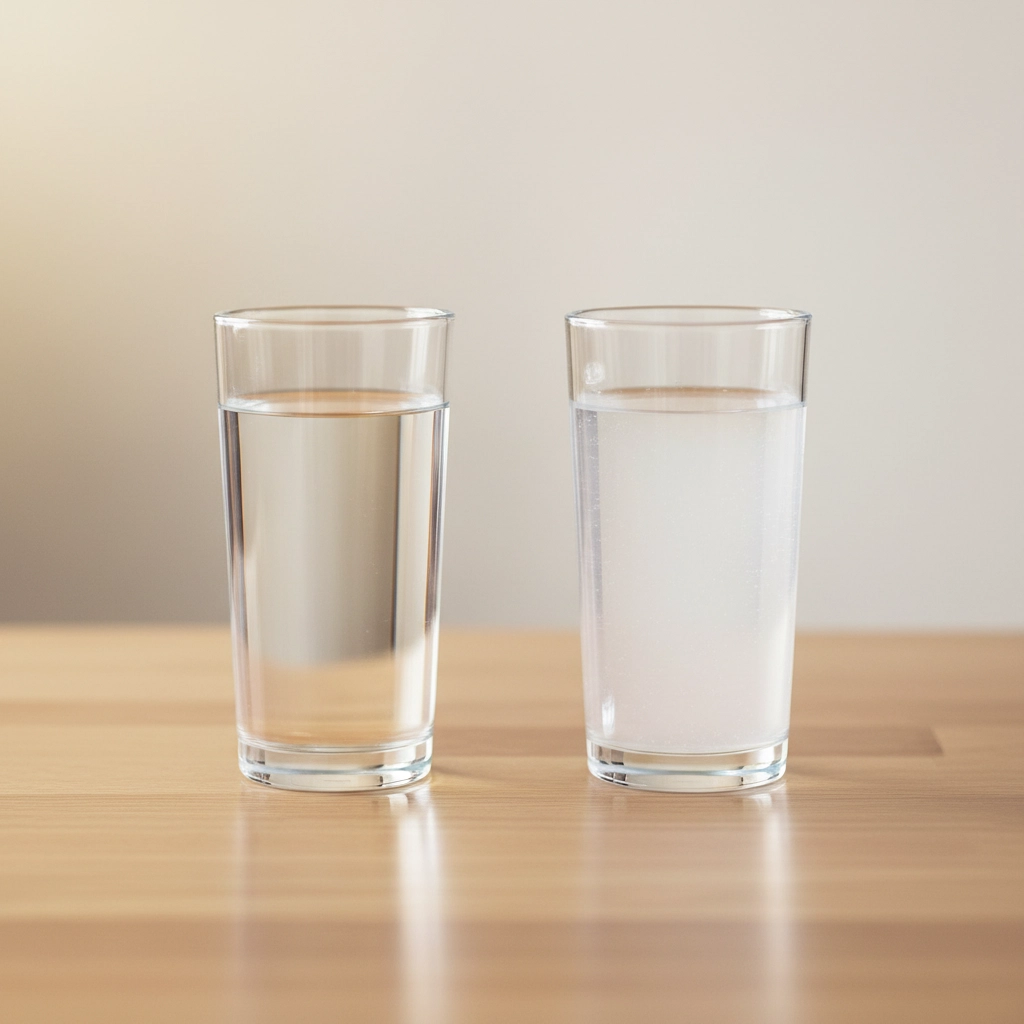
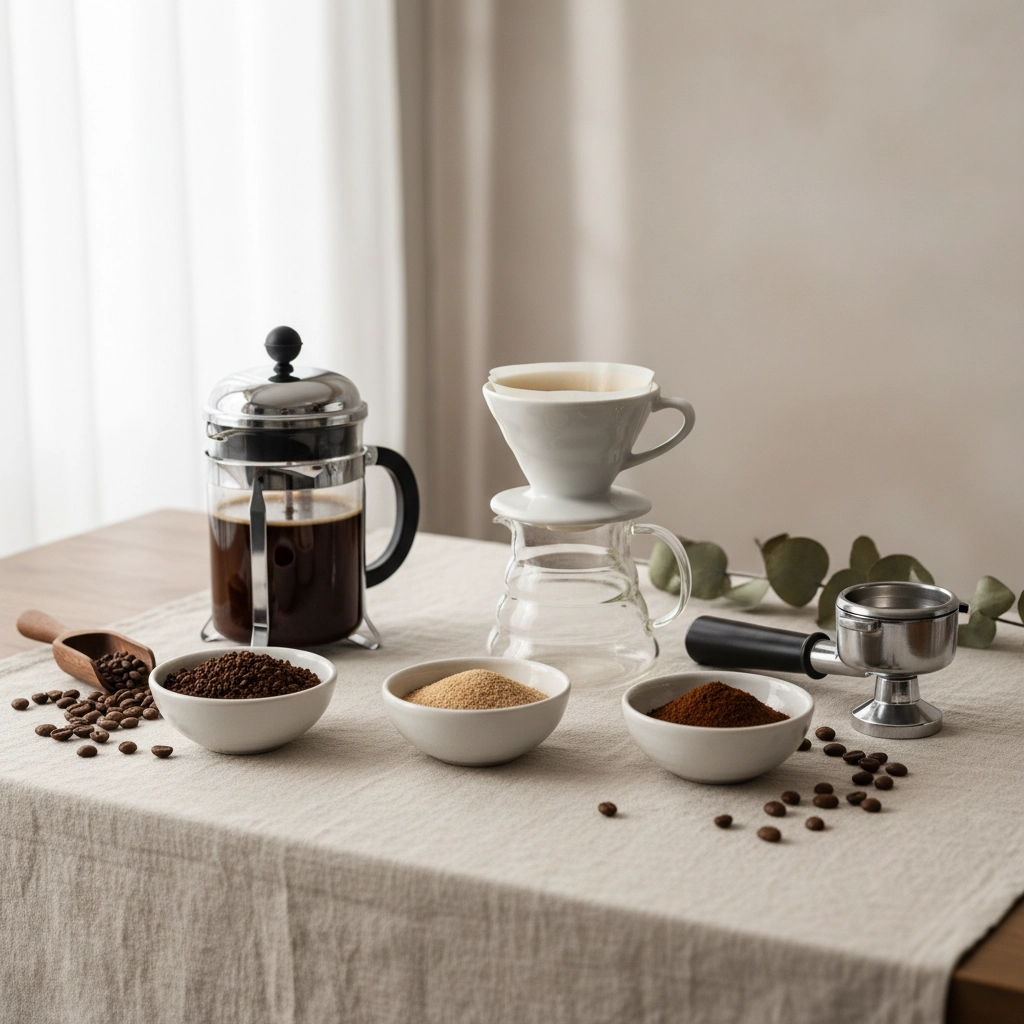
The rule is simple: the longer your coffee grounds stay in contact with water, the coarser your grind should be. A French press that steeps for four minutes needs coarse grounds. An espresso shot that brews in 25-30 seconds needs fine grounds. A pour-over falls somewhere in the middle.
Using the wrong grind size is probably the number one reason people blame the coffee when the problem is actually their technique.
Storage Secrets They Don't Advertise
After opening your coffee, store it in an airtight container in a cool, dark place. Not the fridge, not the freezer: just a dark cabinet away from heat sources.
The degradation from improper storage is significant, but it's rarely emphasized in marketing materials that focus on origin stories and tasting notes. Oxygen, light, heat, and moisture are coffee's enemies. Control these factors, and your coffee stays fresher longer.
Avoid those clear glass containers that look pretty on your counter. They're exposing your coffee to light all day. Opaque, airtight containers are your friend. We love the Airscape.
The Temperature Sweet Spot
Water temperature is another variable most people wing, but it matters more than you'd think. Too hot (boiling), and you'll scorch the coffee, extracting bitter compounds. Too cool, and you won't extract enough flavor.
The sweet spot is 195-205°F (90-96°C). If you don't have a thermometer, bring water to a boil and let it sit for 30-60 seconds before brewing. This simple adjustment can eliminate that bitter edge you might be attributing to "strong" coffee.
The Brewing Time Balance
Different brewing methods require different contact times, and this is where many home brewers go wrong. A French press needs about 4 minutes. Pour-over methods typically take 2.5-4 minutes. Cold brew needs 12-24 hours.
These aren't arbitrary numbers: they're based on the physics of extraction. Too short, and you under-extract. Too long, and you pull out bitter compounds you don't want.
Why This Knowledge Isn't More Widespread
The honest truth? Some of these principles work against common industry practices. Emphasizing ultra-fresh coffee means customers buy smaller quantities more frequently and become more selective about roast dates. Teaching proper ratios means people use more coffee per cup. Promoting home grinding reduces demand for pre-ground options.
None of this is malicious: it's just business. But as someone who's passionate about great coffee, I'd rather you have exceptional cups at home than settle for mediocre ones because you didn't have the full picture.
Putting It All Together
The real secret isn't some exotic brewing technique or expensive equipment: it's understanding and controlling these fundamental variables. When you nail freshness, grinding, water quality, ratios, grind size, storage, temperature, and timing, you have more control over your coffee experience than most cafes offer their customers.
Start with one element: maybe switching to filtered water or investing in a basic scale for ratios: and work your way through the list. Each improvement builds on the others, and the cumulative effect is remarkable.
Your morning coffee doesn't have to be a gamble. With these fundamentals in place, you can consistently brew coffee that rivals what you'd pay $4+ for at specialty shops. And honestly? That's knowledge worth having.
Still curious about elevating your home brewing game? Check out our brewing guides for method-specific techniques, or explore our carefully curated coffee selection to put these principles into practice with beans that are roasted to order and shipped fresh.